A pump station might seem like a straightforward utility structure from the outside, but in practice, no two projects are exactly the same. In some cases, wastewater could need been moved uphill in order to accommodate a new housing project. A different site may need to be able to hold pressure on commercial properties which has a fluctuating elevation. Certain projects are municipal while some are private or industrial and each has its own design requirements along with regulations and long-term operating expectations.
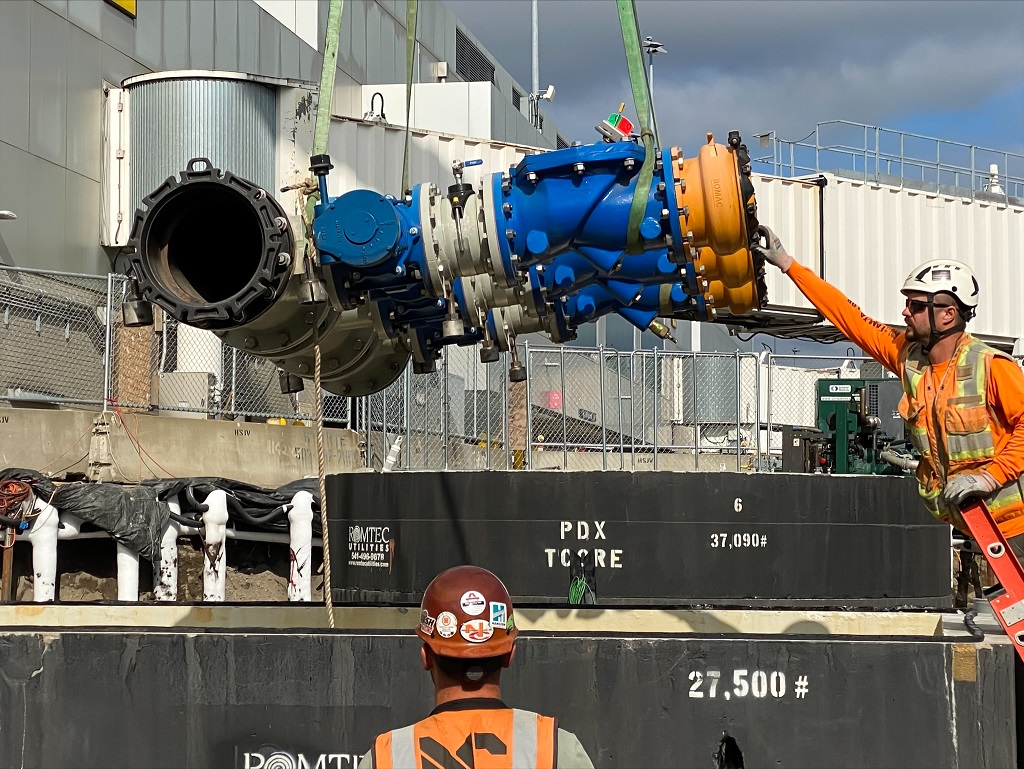
It’s for this reason that pumping systems cannot be built in a “one-size-fits all” concept. A well-designed station should be designed around the specifics of the area, the flows, the owner requirements, and the future of the land it is serving. Romtec Utilities approaches each project by examining the situation from this angle, and customizing the pumping system to the project’s needs instead of forcing a generic solution to work.
Pumping is more than moving water.
In essence, a pumping station exists to move water or waste where gravity alone cannot do the job. It is not sufficient to develop a system that is merely functional. It has to be able to manage and adhere to all laws and regulations, both state and local. It must function not just on paper but also in the day-to-day realities of the individuals responsible for operating it.
It includes everything, from the structural design to wet well size, to electrical equipment, controls communications systems, controls, and access for workers. If the design of one of these elements is not properly planned they could result in difficulties in operation for many years. This is the reason why engineers and owners put the most importance in working with top lift station designers. If you’re trying to find a balance between budget, site constraints as well as hydraulic performance and long-term longevity at the same the experience of your team is essential.
Romtec Utilities brings these disciplines under all under one unit under one roof. It manages the mechanical, structural and electrical components of the station as a complete system, which means that customers don’t have to coordinate different vendors. Single-source solutions can typically make it easier to manage time and confusion in the process of purchasing, as well as smoothen the installation process.
When designed correctly when designed properly, packages pumping systems can reduce complexity.
A packaged pumping system can simplify infrastructure projects as it brings together key elements into one integrated solution. The most important thing is how the package is designed. Systems that are not designed to be compatible can lead to problems with performance, equipment that is too large unneeded maintenance expenses or even longer-term issues.
Romtec Utilities approaches each package as a custom-engineered solution instead of a generic catalog product. This includes selecting the correct valves, pumps, controls as well as enclosure options based on real requirements of the site. This includes thinking about the way in which the system will operate and be maintained, monitored, and controlled. Planning coordination at an early stage can prevent much bigger problems in the infrastructure of utilities.
Booster Pump Stations can solve different type of problem in infrastructure
In not every project is wastewater involved. In many projects, maintaining the pressure of water is just as important as moving sewer. Here booster pumping stations have a vital role to play. These pumps keep water flowing efficiently in a distribution system even when there are pressure issues caused by changes in elevation, long pipeline runs or high demand.
Booster systems generally require a different type of engineering approach because they may contain control buildings that use variable frequency drives, SCADA integration, telemetry and architectural considerations depending on the location. Romtec Utilities creates these stations using a customized approach which is utilized to design wastewater systems. This ensures the end result will work both functionally and operationally.
A more effective strategy will lead to higher performance in the long-term
One of the most useful aspects of the Romtec Utilities process is the early design assistance it provides customers. The initial engineering and design support helps project teams to better understand the nature, structure and cost of an installation before they move too far in construction or procurement. This could make a big difference for consultants, developers and public agencies who are seeking to keep projects on schedule and within budget.
Planning is essential to achieving success regardless of whether it’s a wastewater lifting station, pumping system, or one of the many custom-designed booster pumps. A good design partner can offer more than just equipment. The ideal design partner helps shape a reliable solution that fits the site and meets the needs of the owner.
In the case of utility work, usually the best systems are the ones that are invisible to the public because they work. The level of reliability you get does not just occurs. It’s the result of careful engineering, strong coordination as well as the expertise to design each system around the exact needs of the project.
A pump station might seem like a straightforward utility structure from the outside, but in practice, no two projects are exactly the same. In some cases, wastewater could need been moved uphill in order to accommodate a new housing project. A different site may need to be able to hold pressure on commercial properties which has a fluctuating elevation. Certain projects are municipal while some are private or industrial and each has its own design requirements along with regulations and long-term operating expectations.
It’s for this reason that pumping systems cannot be built in a “one-size-fits all” concept. A well-designed station should be designed around the specifics of the area, the flows, the owner requirements, and the future of the land it is serving. Romtec Utilities approaches each project by examining the situation from this angle, and customizing the pumping system to the project’s needs instead of forcing a generic solution to work.
Pumping is more than moving water.
In essence, a pumping station exists to move water or waste where gravity alone cannot do the job. It is not sufficient to develop a system that is merely functional. It has to be able to manage and adhere to all laws and regulations, both state and local. It must function not just on paper but also in the day-to-day realities of the individuals responsible for operating it.
It includes everything, from the structural design to wet well size, to electrical equipment, controls communications systems, controls, and access for workers. If the design of one of these elements is not properly planned they could result in difficulties in operation for many years. This is the reason why engineers and owners put the most importance in working with top lift station designers. If you’re trying to find a balance between budget, site constraints as well as hydraulic performance and long-term longevity at the same the experience of your team is essential.
Romtec Utilities brings these disciplines under all under one unit under one roof. It manages the mechanical, structural and electrical components of the station as a complete system, which means that customers don’t have to coordinate different vendors. Single-source solutions can typically make it easier to manage time and confusion in the process of purchasing, as well as smoothen the installation process.
When designed correctly when designed properly, packages pumping systems can reduce complexity.
A packaged pumping system can simplify infrastructure projects as it brings together key elements into one integrated solution. The most important thing is how the package is designed. Systems that are not designed to be compatible can lead to problems with performance, equipment that is too large unneeded maintenance expenses or even longer-term issues.
Romtec Utilities approaches each package as a custom-engineered solution instead of a generic catalog product. This includes selecting the correct valves, pumps, controls as well as enclosure options based on real requirements of the site. This includes thinking about the way in which the system will operate and be maintained, monitored, and controlled. Planning coordination at an early stage can prevent much bigger problems in the infrastructure of utilities.
Booster Pump Stations can solve different type of problem in infrastructure
In not every project is wastewater involved. In many projects, maintaining the pressure of water is just as important as moving sewer. Here booster pumping stations have a vital role to play. These pumps keep water flowing efficiently in a distribution system even when there are pressure issues caused by changes in elevation, long pipeline runs or high demand.
Booster systems generally require a different type of engineering approach because they may contain control buildings that use variable frequency drives, SCADA integration, telemetry and architectural considerations depending on the location. Romtec Utilities creates these stations using a customized approach which is utilized to design wastewater systems. This ensures the end result will work both functionally and operationally.
A more effective strategy will lead to higher performance in the long-term
One of the most useful aspects of the Romtec Utilities process is the early design assistance it provides customers. The initial engineering and design support helps project teams to better understand the nature, structure and cost of an installation before they move too far in construction or procurement. This could make a big difference for consultants, developers and public agencies who are seeking to keep projects on schedule and within budget.
Planning is essential to achieving success regardless of whether it’s a wastewater lifting station, pumping system, or one of the many custom-designed booster pumps. A good design partner can offer more than just equipment. The ideal design partner helps shape a reliable solution that fits the site and meets the needs of the owner.
In the case of utility work, usually the best systems are the ones that are invisible to the public because they work. The level of reliability you get does not just occurs. It’s the result of careful engineering, strong coordination as well as the expertise to design each system around the exact needs of the project.
Let’s fight with all injustice and corruption