Park district approves the funding of an improved public restroom. The location has been selected and the building is in good shape and the construction team is ready to start the construction process.
The contractor is then able to begin evaluating the site. There is a water issue on the site proposed. There are more utility connections than was anticipated. Delivery vehicles may face difficulties reaching the installation site, and the building layout could not fit with the available space.
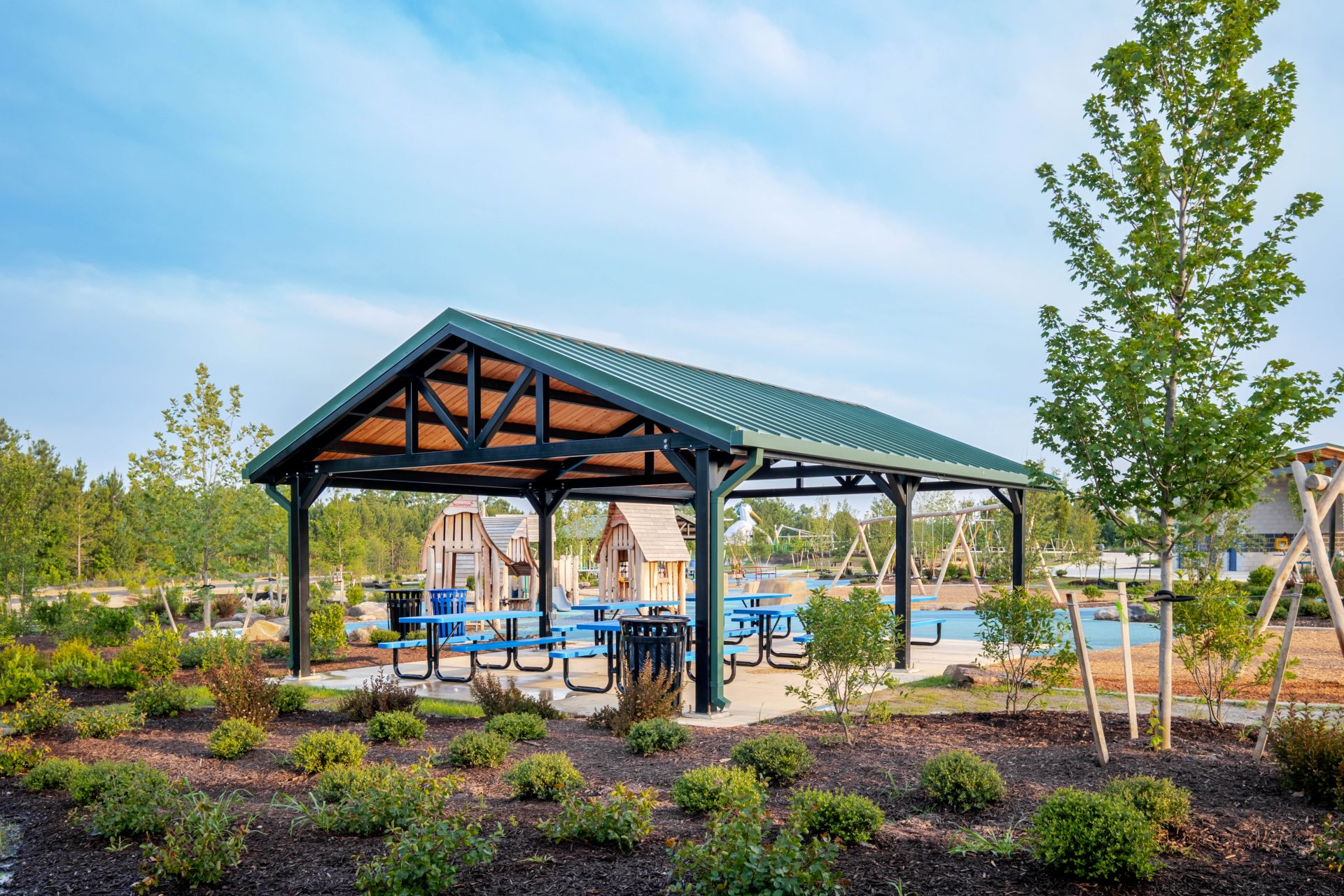
Image credit: romtec.com
None of these problems necessarily implies that the project isn’t viable. These issues could lead to delays, redesigns, and delays in construction. Developers and public agencies can manage a bathroom construction project better if the construction conditions are considered from the start.
Drawings of buildings don’t reveal the whole story
Prior to selecting prefabricated restrooms for parks, the project team should know what the surrounding property can be capable of accommodating. The installation can be affected by the location’s slope, drainage, utilities, and construction accessibility.
If the bathroom is to be constructed close to a playground there is a possibility to connect the restroom with existing sewer and water infrastructure. If these connections are not available or costly to expand or extend, the construction may require another sanitation strategy.
Alongside the relevant codes and accessibility requirements, site-specific conditions must be considered when deciding the foundation and placement of a building. It is possible that a standard plan of the building appears good on paper but requires significant adjustments after these factors have been examined.
Urban Projects Have Their Own Construction Restrictions
Installing sidewalk restrooms involves more than finding enough space for a compact structure. On public sidewalks it is common to find underground utilities, pedestrian trails as well as street furniture and access points close to. Collaboration with local authorities can be necessary for construction work.
A bathroom placed too close to a utility line can make it difficult to excavat or foundation work. Accessibility is another thing to be considered. The entryway and its surroundings should be constructed to meet all applicable requirements, and not just be able to fit into the footprint available.
Romtec offers ADA-focused and customizable toilets for single users, with choices for sink and door positioning. This lets project teams design for public use while also considering physical site restrictions.
There is no sewer Connection? Do you not have a sewer connection? Alternatives
Remote recreation sites face a different infrastructure challenge. The trailhead can be some distance away from the closest sewerage source which makes flushing toilets a non-sensical option.
Vault toilets can be a viable alternative to toilets without water in certain areas. These facilities do not use the sewer to transfer wastewater, but instead collect the waste in a tank that needs to be kept in good condition on a regular basis.
But choosing vault toilets doesn’t completely make it easier to plan the site. The project requires ground conditions, safe access to servicing equipment, appropriate ventilation, and the compliance of the applicable environmental regulations.
Romtec’s Sweet-Smelling technology (SST) is employed to create water-free vault toilets. It helps to control odors by ventilation. An early choice of a sanitation system could save money on building changes.
Construction Coordination starts before Delivery
One of the most common misconceptions about prefabricated construction is that the majority of projects have already had their decisions made by the manufacturer. In actuality, preparation of the site, foundation requirements, utility connections, accessibility, and local approvals will require coordination. Romtec’s strategy for these projects is to use customized building kits and design assistance instead of relying exclusively on pre-built structures.
The company works with landscape builders and architects to ensure that specifications for construction meet site-specific requirements. This is especially helpful in situations where the bathroom must match an existing architectural style or meet unique property conditions.
A successful project begins with Better Questions
Owners should first decide on where the restroom will be located before determining the route through which construction equipment will access the area, as well as the approvals required.
It is essential to determine whether the sanitation system you choose can handle the expected number of visitors, and if the building will still be able to be used without major infrastructure modifications.
The questions are not as thrilling than the exterior finishes and architectural aspects, but can influence more on the cost of the project and schedule.
The public restroom projects which are successful don’t only deliver the building on time. A successful restroom project is one that considers the structure, the construction of the site as well as the construction and intended usage. If those decisions are made in the early stages, the final bathroom is a better foundation for serving the community in a way that is efficient.